Cold heading, turning and CNC machining under one roof, with 30,000 dies already on the floor. For OEMs that means a single supplier for the whole fastener package, and a production route chosen for the part — not for whichever machine happens to be free.
2,500 m² plant · 100+ heading machines · exporting since 2012 · Alibaba Verified Supplier since 2014
Two things we are known for
Most suppliers do one or the other. The reason we can do both is practical: we own the equipment, the dies and the process knowledge, so the production route is a decision rather than a constraint.
Screws, nuts, stepped pins and machined components quoted, produced and shipped together. One purchase order, one inspection report, one container — instead of five suppliers whose lead times never line up.
Eccentric pins for micro motors, long screws for battery modules, charging connector contacts, stainless shafts for drones, fluted screws for smart drying racks — formed from wire where others give up and machine from bar.
One-stop case studies
Most of these began with one difficult part and grew into a full fastener set for the programme.
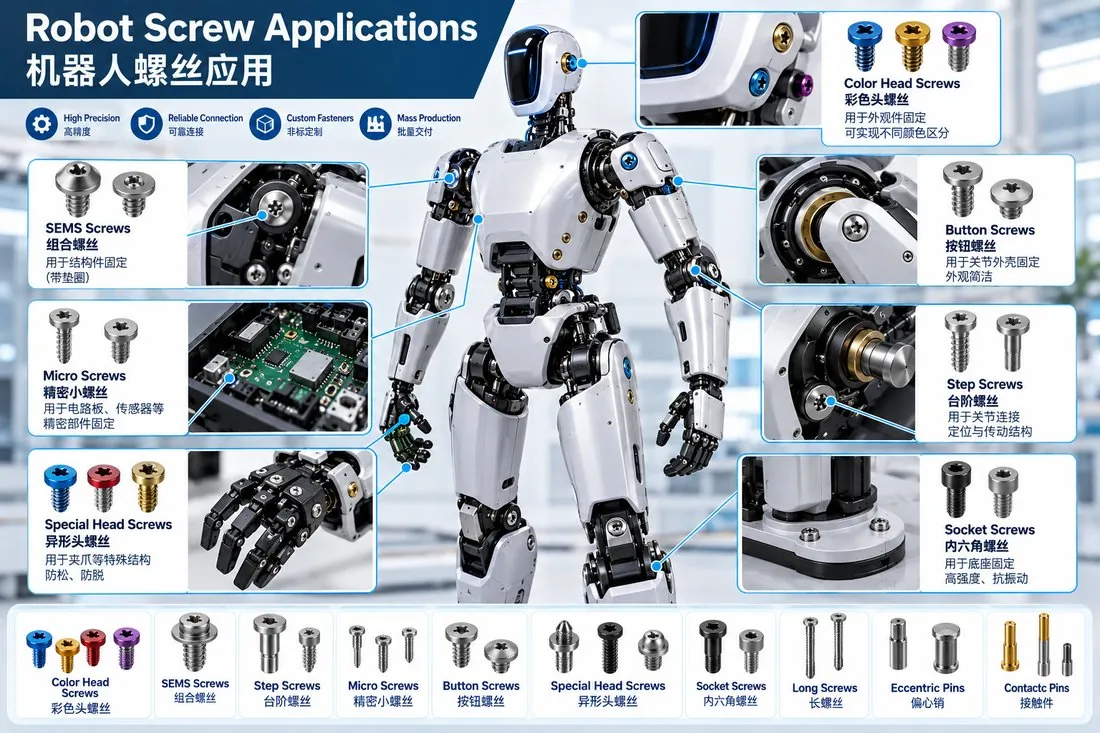
SEMS, step and special-head screws through the joint, the gripper and the control board — with colour-coded heads so the right screw is visible on the line.
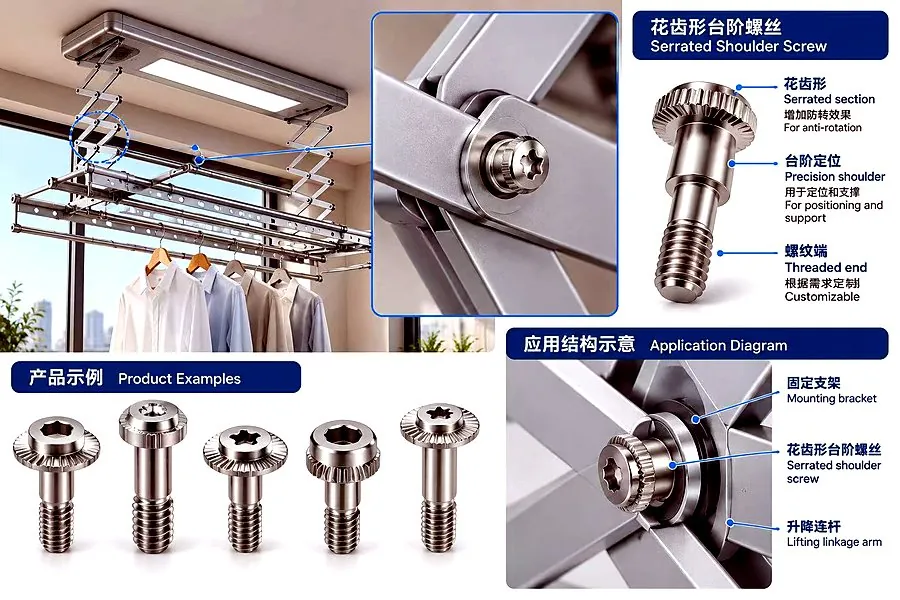
Combination screws, caster step screws and fluted screws for drying racks — the package, not just the screw.
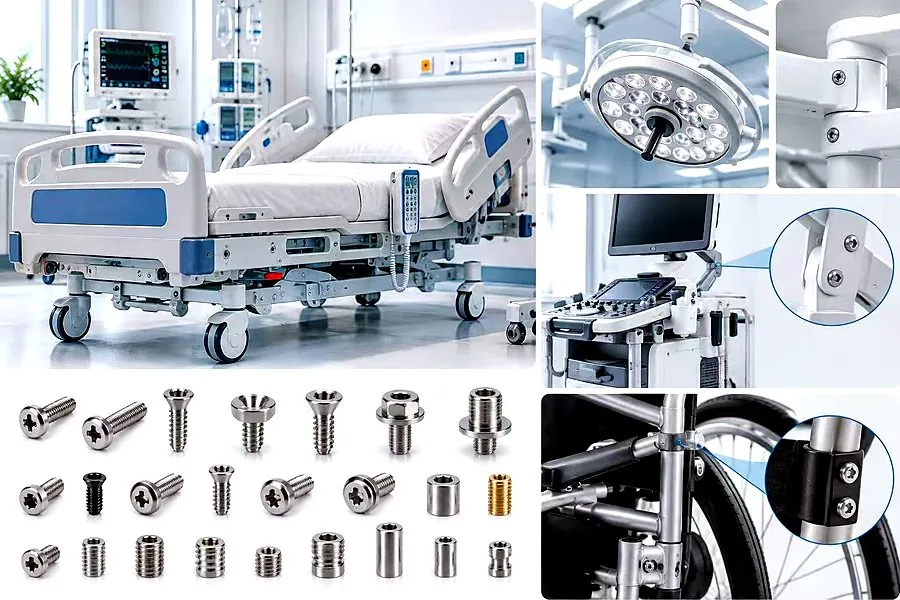
Small stainless parts where surface finish and batch consistency matter more than unit price.
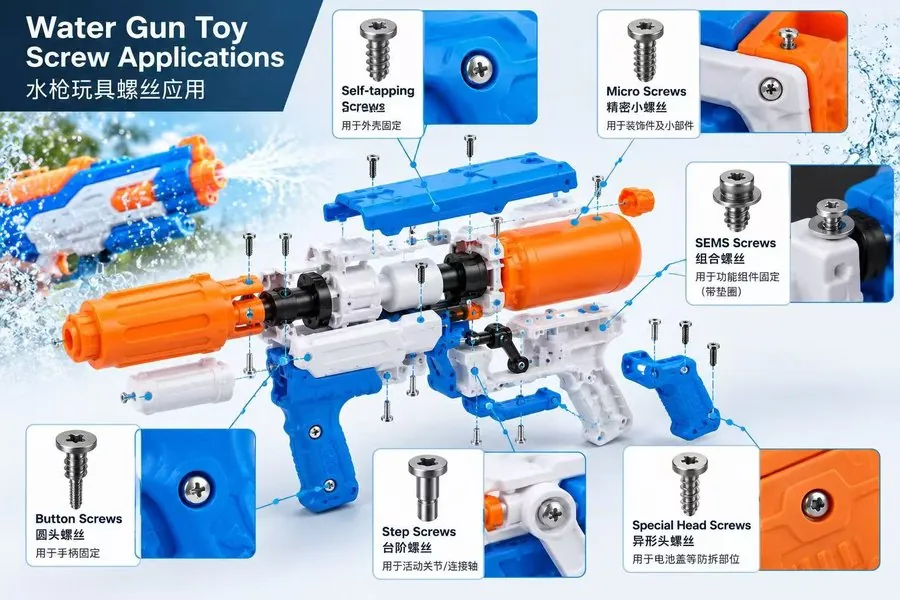
Self-tapping, button and special-head screws inside a pressurised toy — stainless where the water goes.
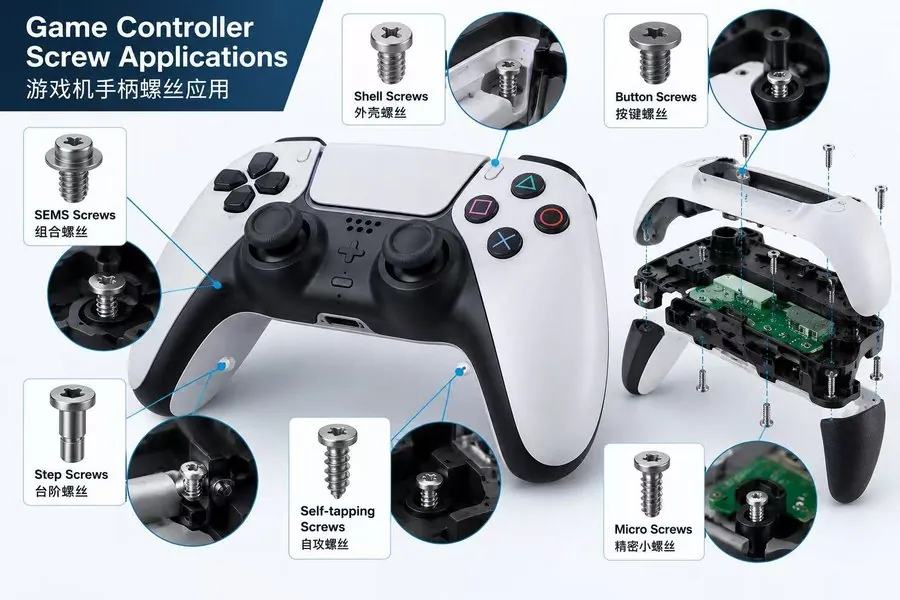
SEMS, step and micro screws through shell, buttons and mainboard — the parts that must not strip at speed.
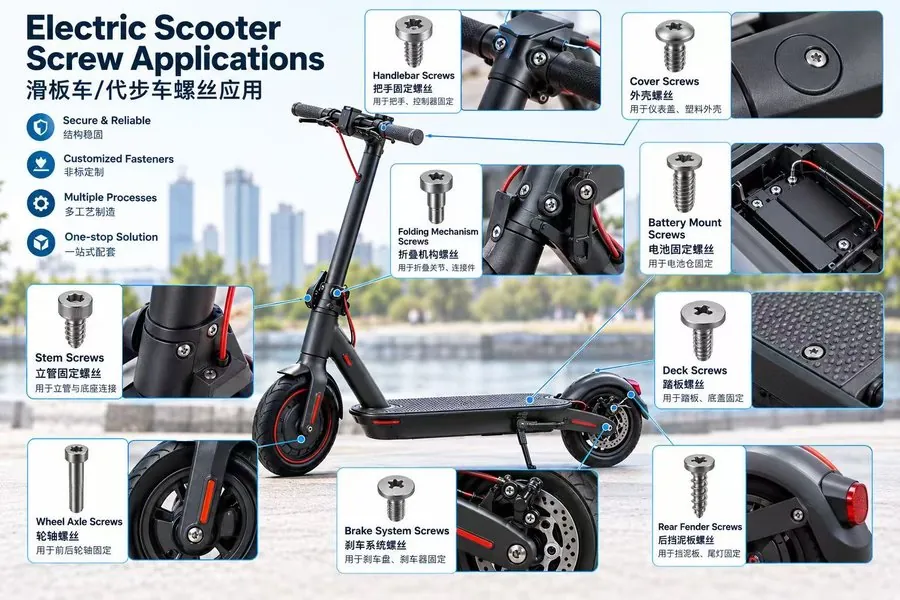
Wheel axle, folding mechanism and battery mount fasteners, built for vibration and weather.
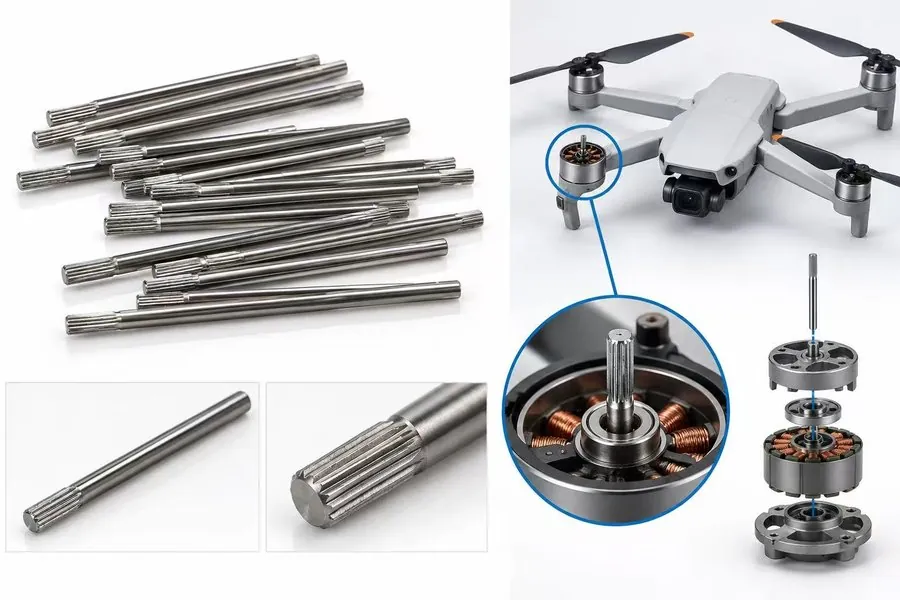
Precision shafts, ground and splined, held to tight run-out so the rotor stays balanced.
About Jindeng
We started in 2005 in Tangxia, Dongguan, heading screws for local appliance makers. Two decades later the shop floor has two halves — multi-station heading and turning — and the work is mostly the parts a catalogue does not carry: stepped pins, eccentric masses, current-carrying contacts.
The reason customers stay is unglamorous: we own the dies, so sampling does not wait for a tool, and we run both processes, so the recommendation is about the part rather than about keeping a machine busy.
On the floor
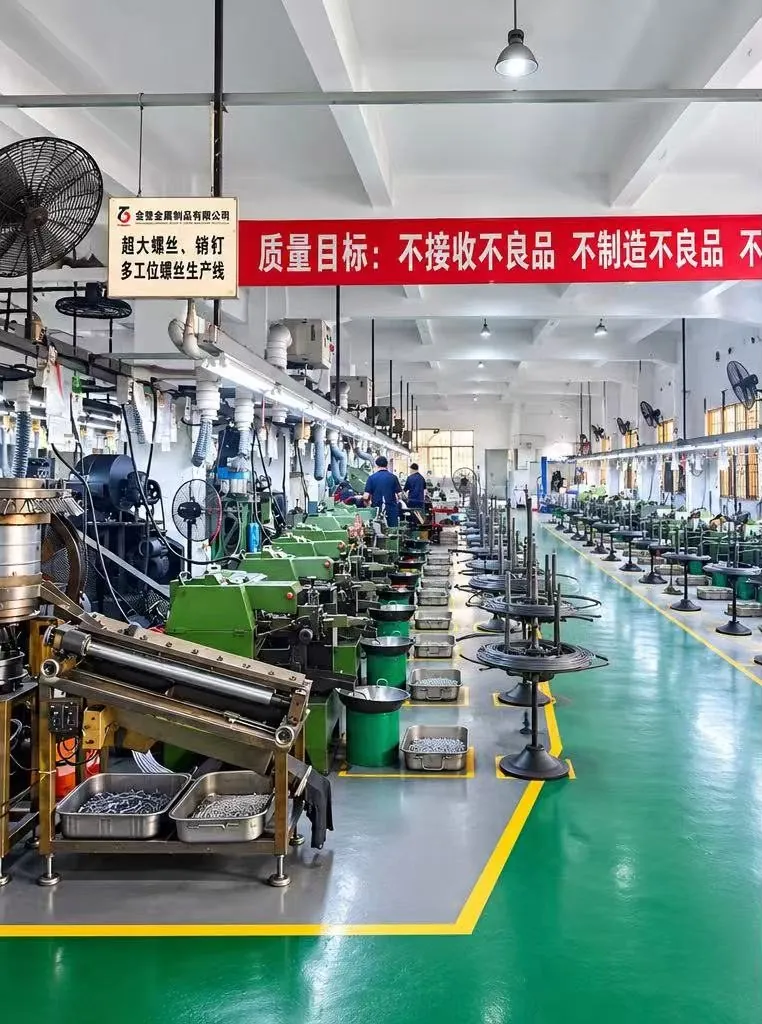
Two shops on one site: multi-station heading for the parts formed from wire, and bar-fed lathes for the ones that have to be turned. Filmed on a normal working day, no staging.
Why one-stop actually works
A supplier with only headers will tell you every part is a heading job. We run heading, turning and CNC, so the recommendation is about cost and function — not about filling a machine.
| Route | Best for | What it means for you |
|---|---|---|
| Multi-station cold heading | Complex heads, stepped shapes, high volume | Up to 60% below machined cost. Material is formed, not cut away, and grain flow stays continuous. |
| Turning / automatic lathe | Tight tolerances, low volume, simple profiles | When a die cannot hold the tolerance or the volume does not justify one, turning is the honest answer — and we say so. |
| CNC (aluminium, copper, stainless) | Knobs, contacts, housings, small precision parts | Completes the assembly without adding another supplier to your approved list. |
| Heading + secondary operations | Threaded, slotted, drilled, heat-treated parts | One part, one tolerance chain, one inspection report. |
In practice a quote often mixes routes: a headed body with a turned tip, or a CNC knob with a headed insert. That is what one-stop means here — not one machine, but one accountable supplier.
Cost
On a part whose shape suits the process, we typically land up to 60% below the machined cost. The saving comes from the process itself — not from squeezing the supplier.
A turned part turns much of the bar into chips. A headed part is formed from wire, so nearly all the material ends up in the finished part.
A multi-station header performs several forming steps in one machine cycle — seconds per part, not minutes.
There is no turning step to deburr, inspect and pay for separately. Grain flow also stays continuous, which is better for fatigue.
Quality
Every batch is inspected against the drawing on equipment we run ourselves — not sent out to a third-party lab and waited on for a week.
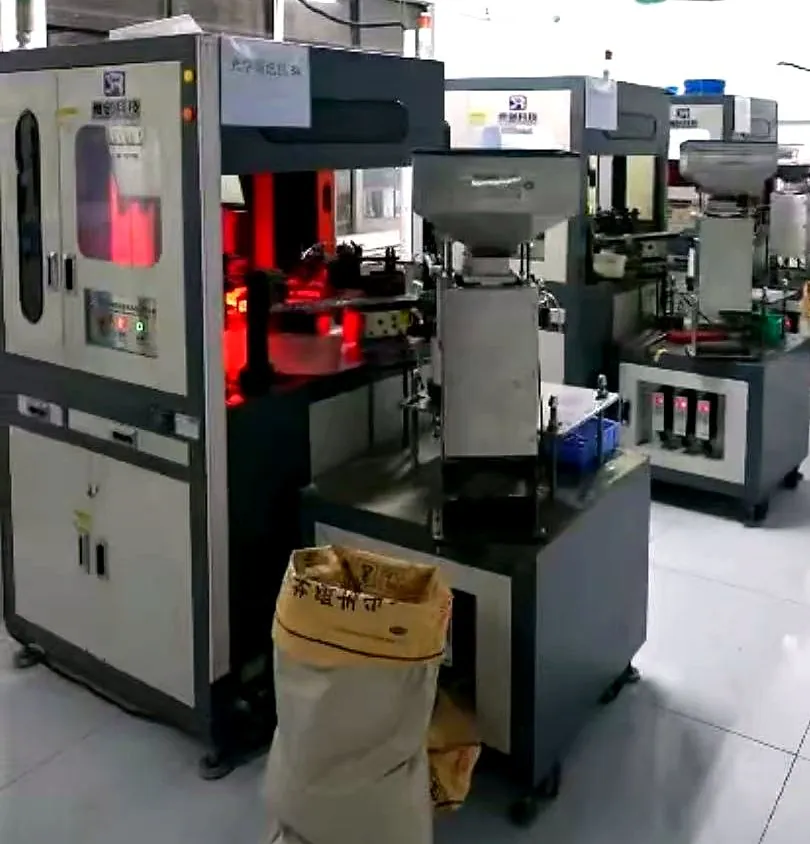
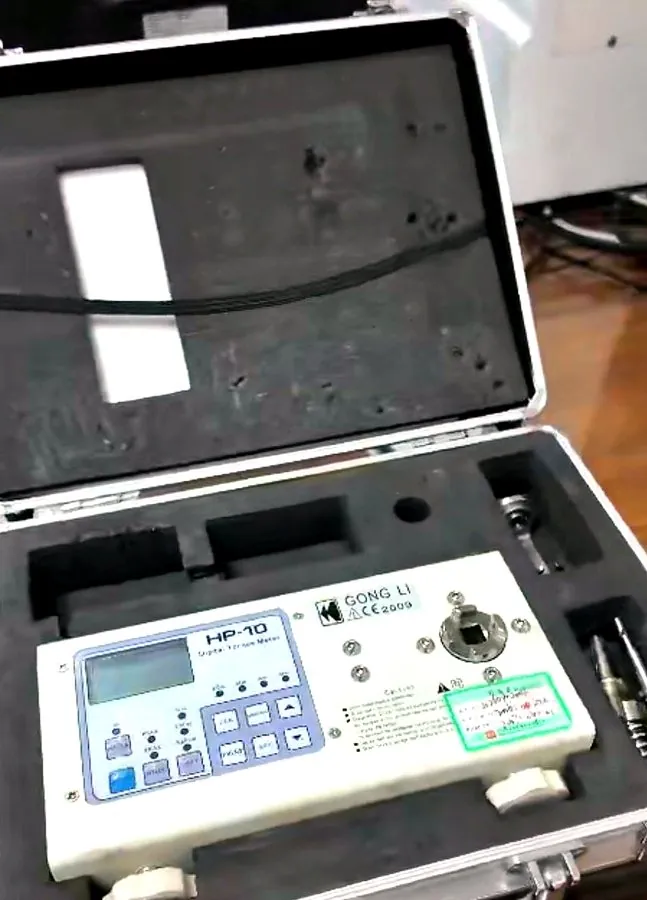
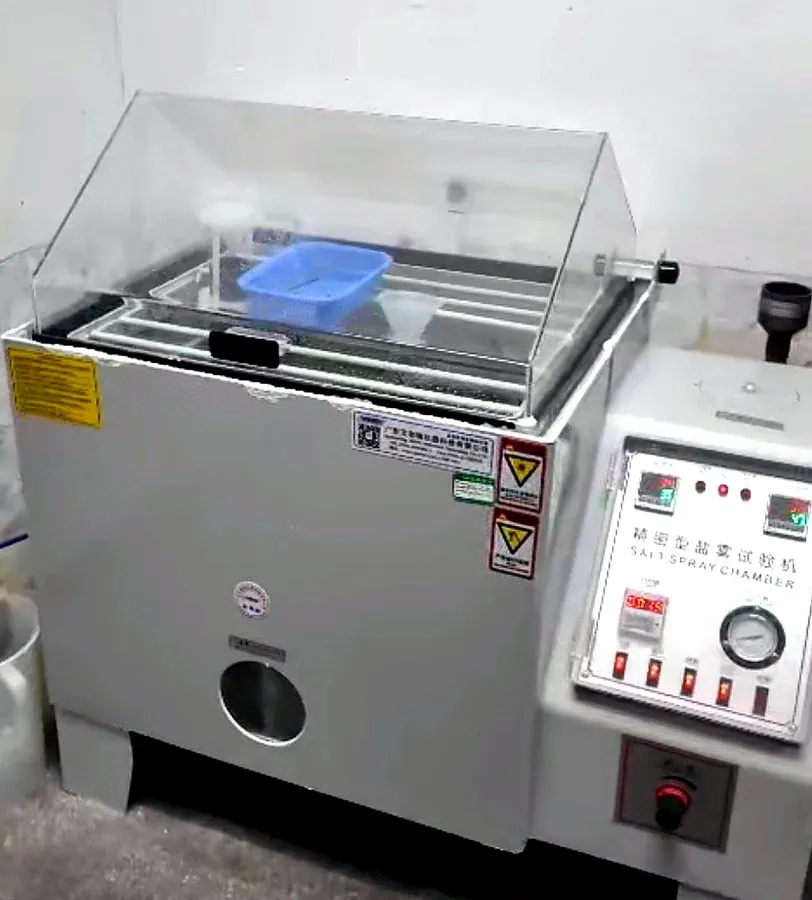
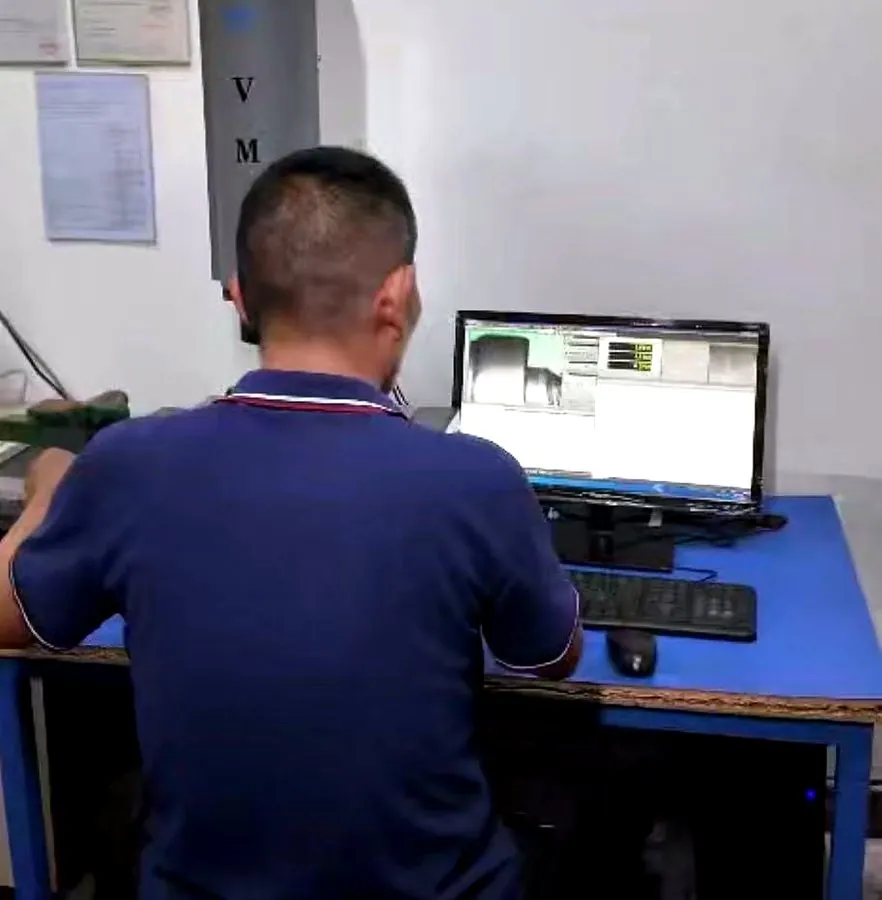
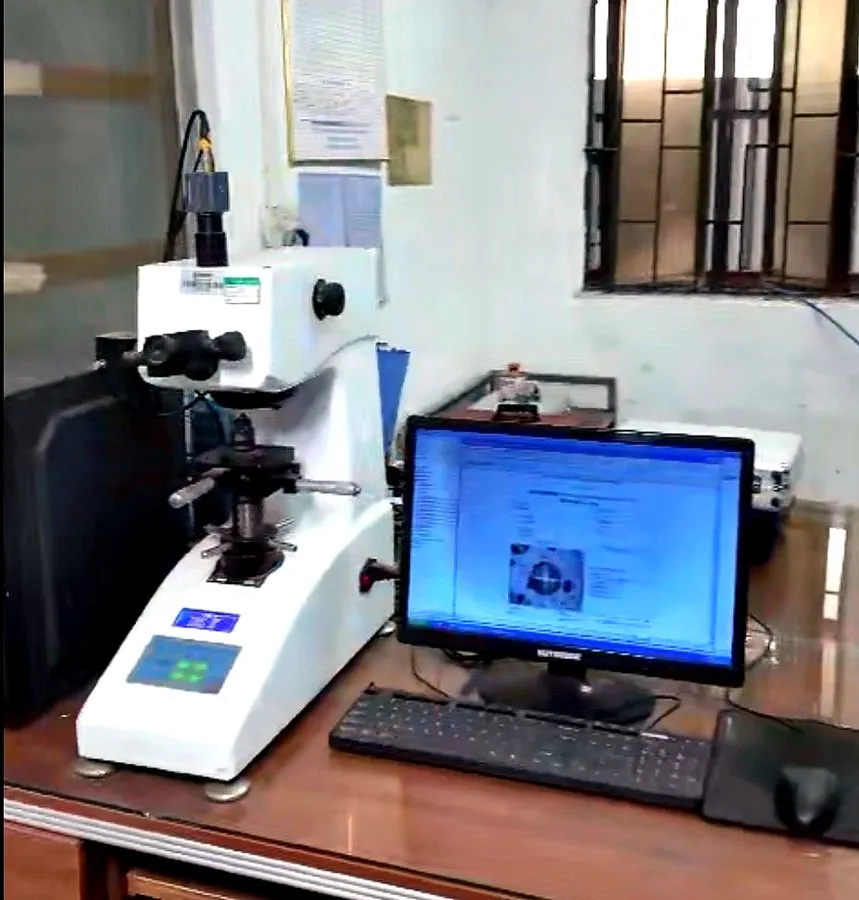
Measuring instruments run on a scheduled calibration cycle — calibration certificates are available on request, and can be included with the inspection report for your batch.
Dispatch
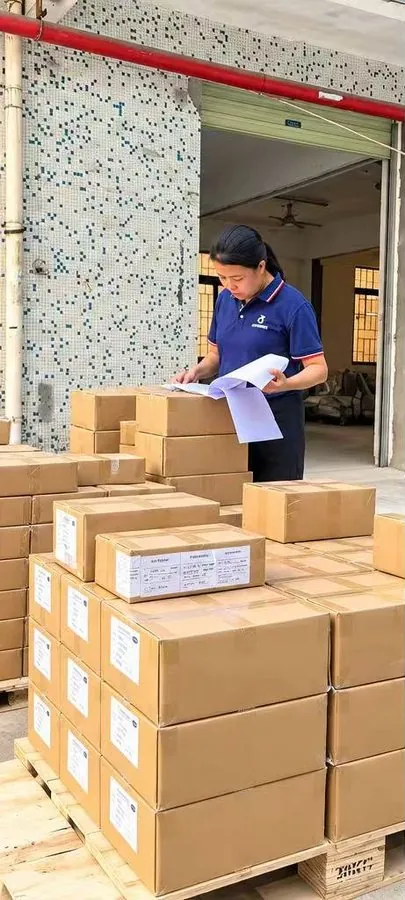
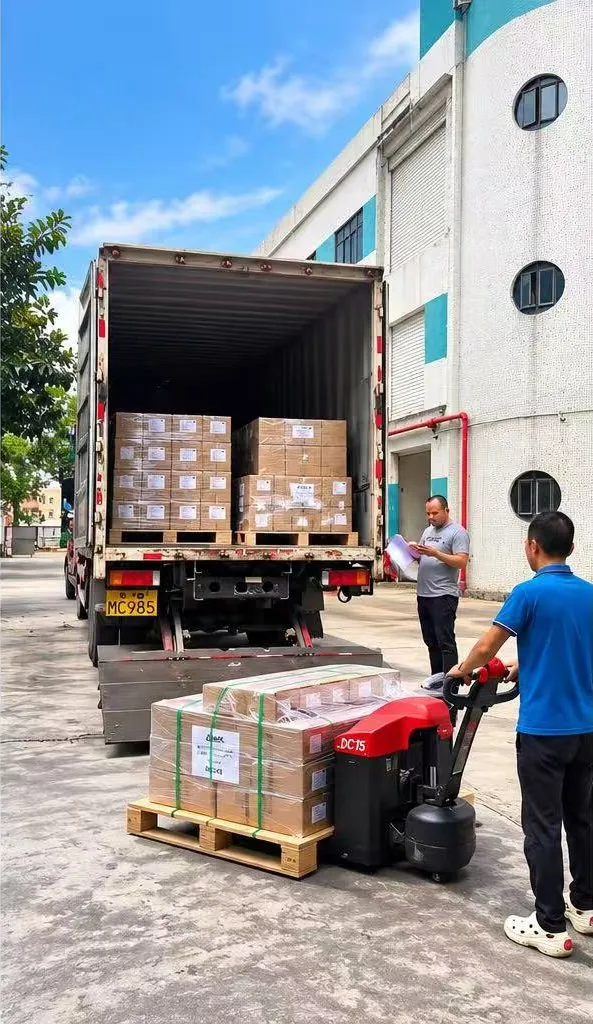
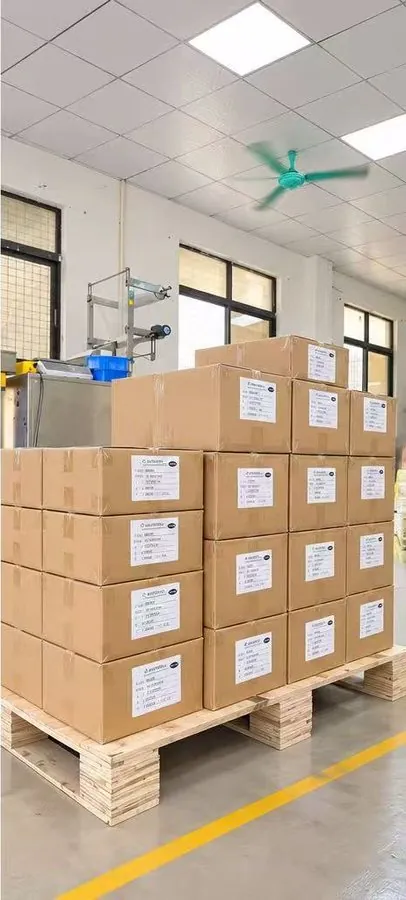
Packed, palletised and documented in-house. One shipment, one packing list, one set of material certificates — which is the practical difference between buying from a factory and buying from a trader.
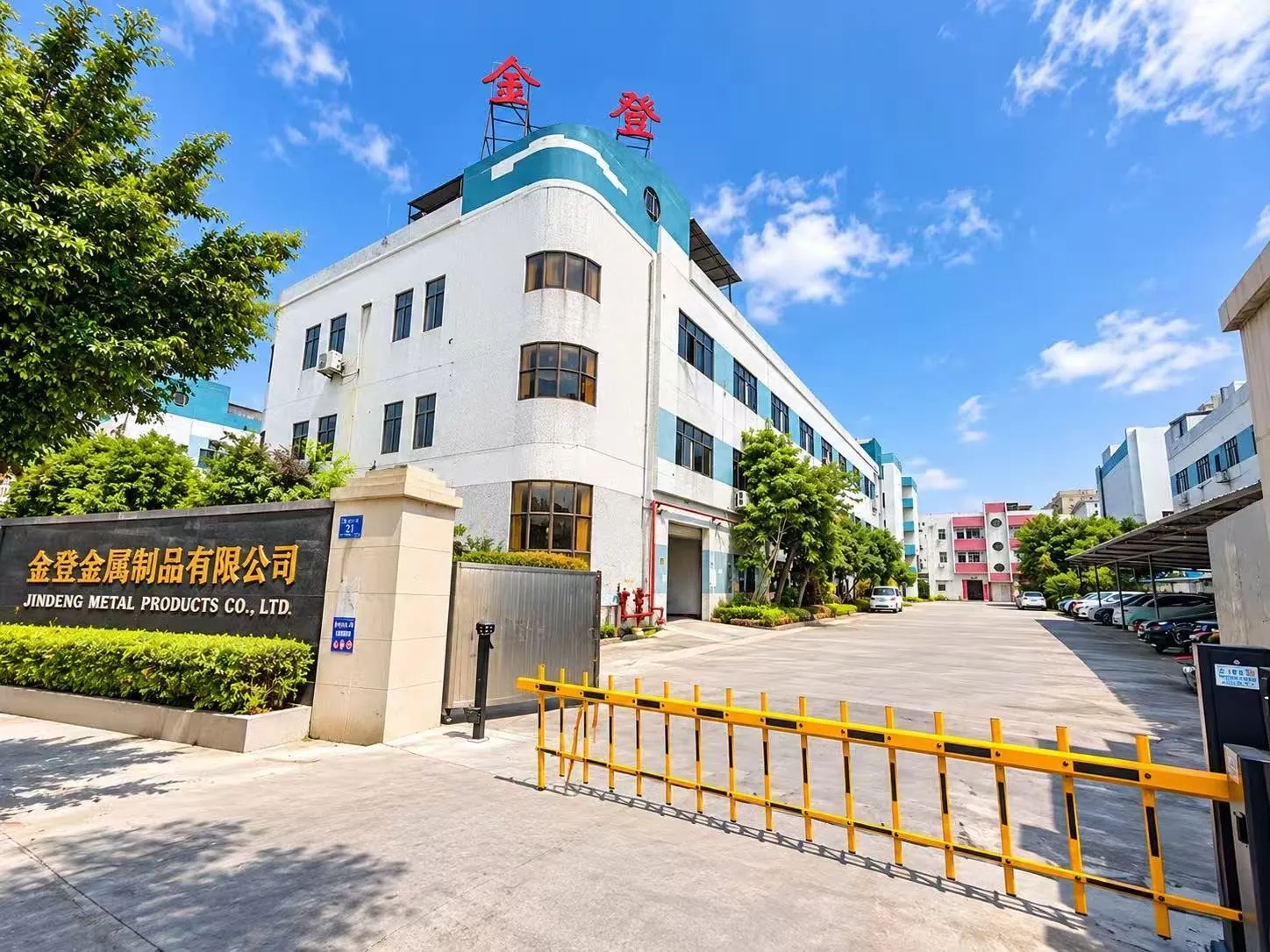
Visit us
Buyers are welcome to audit the floor, watch a die run and check parts against their own drawing. We can arrange pickup from Shenzhen or Guangzhou airport.
No. 21, Minye Street, Tangxia Town, Dongguan, Guangdong, China
WhatsApp +86 135 0921 0607
Feasibility, the recommended process route, tooling position and an indicative price — before you commit to anything.
Start with a drawing